

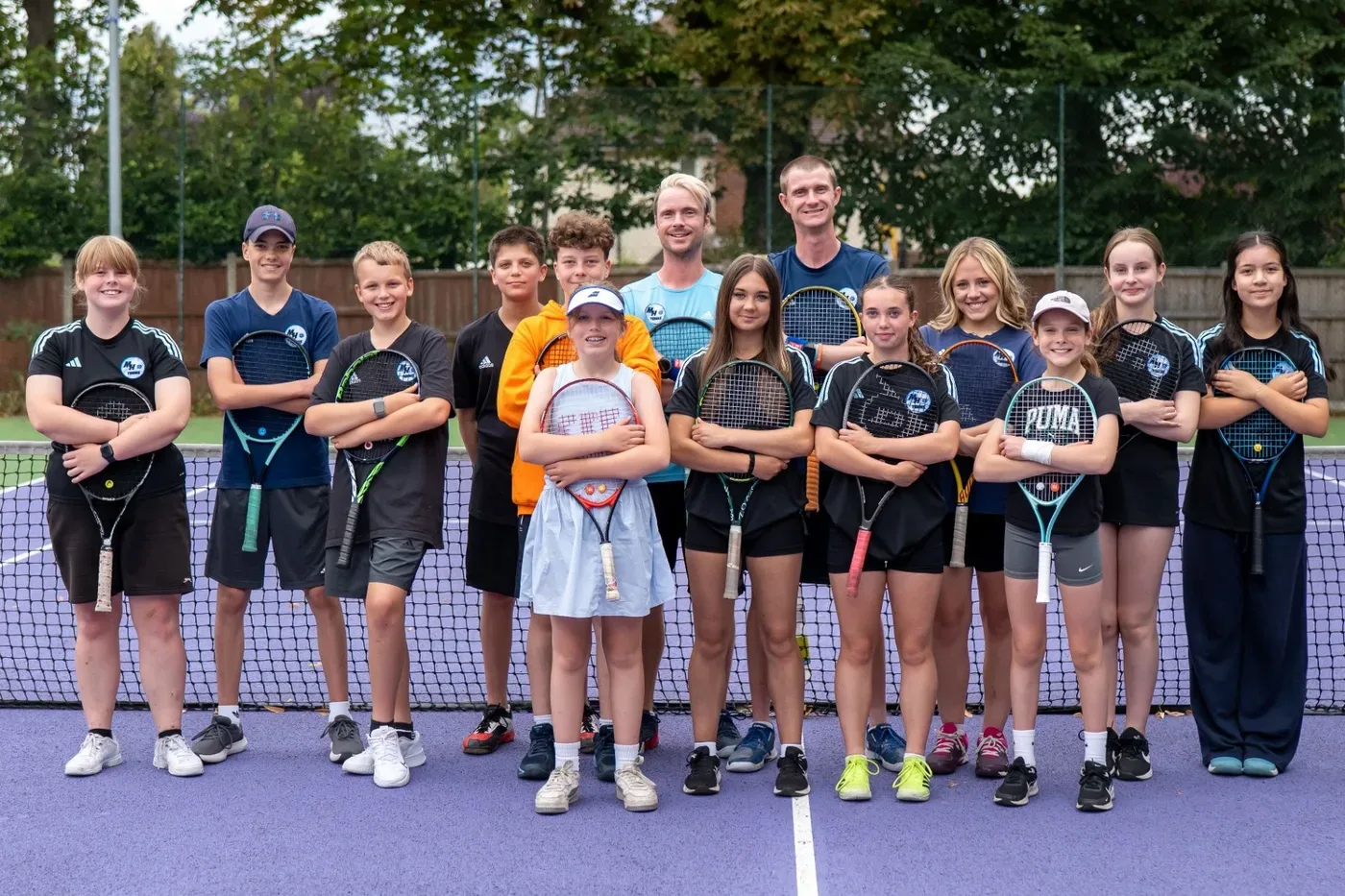
For many parents, the word “competition” can sound quite serious. You may picture large tournaments, nervous players and pressure to win. But junior tennis competitions do not have to be intimidating. When they are introduced in the right way, they can be friendly, age-appropriate and one of the most enjoyable parts of learning tennis.
Playing matches from a young age helps children develop their tennis skills, confidence and independence. It also gives them the opportunity to make friends, learn how to handle different emotions and feel part of a wider tennis community.
At MH Tennis, competition is about more than the score. It should help young people create happy memories, build self-esteem and discover what they are capable of.
Competition helps children develop resilience
Tennis is a sport where players often have to manage challenges on their own. During a match, a child may miss an easy shot, fall behind in the score or face an opponent who plays in a completely different way.
These moments can feel difficult, but they are valuable learning opportunities. With encouragement from coaches and parents, junior players gradually learn how to:
- Stay positive after making a mistake
- Focus on the next point
- Manage nerves and excitement
- Think clearly when under pressure
- Recover after losing a game or match
- Keep trying when things do not go their way
This is resilience in action. Children learn that one mistake does not decide everything and that setbacks can be part of improvement.
Starting with short, simple and supportive matches allows young players to experience pressure in manageable steps. They can learn how competition feels without being overwhelmed by it.
Matches build confidence and self-esteem
Confidence does not come only from winning. It comes from trying something challenging, making decisions and seeing progress over time.
A child may feel proud after winning their first match, but they may also gain confidence by:
- Serving into the correct box
- Winning a long rally
- Remembering the score
- Trying a new shot
- Battling back after falling behind
- Showing good manners to an opponent
These small achievements matter. They show children that they can take responsibility and make things happen for themselves.
Regular match play also helps children understand that confidence is something they can build. They do not have to wait until they feel completely ready before taking part. Each competition provides another chance to learn and grow.
This is one reason why well-planned junior tennis lessons should include opportunities to play points and matches as well as practising individual techniques.
Match play speeds up tennis development
Practice is essential. Children need time to learn how to serve, rally, move around the court and use different strokes. However, practice alone cannot recreate everything that happens in a real match.
Competition encourages young players to use their skills while making decisions. They have to consider questions such as:
- Where should I serve?
- Should I attack or defend?
- How can I move my opponent?
- What should I do if my usual shot is not working?
- How can I stay focused when the score is close?
These decisions help children understand tennis in a deeper way. They begin to connect technique with tactics and learn how to adapt to different opponents.

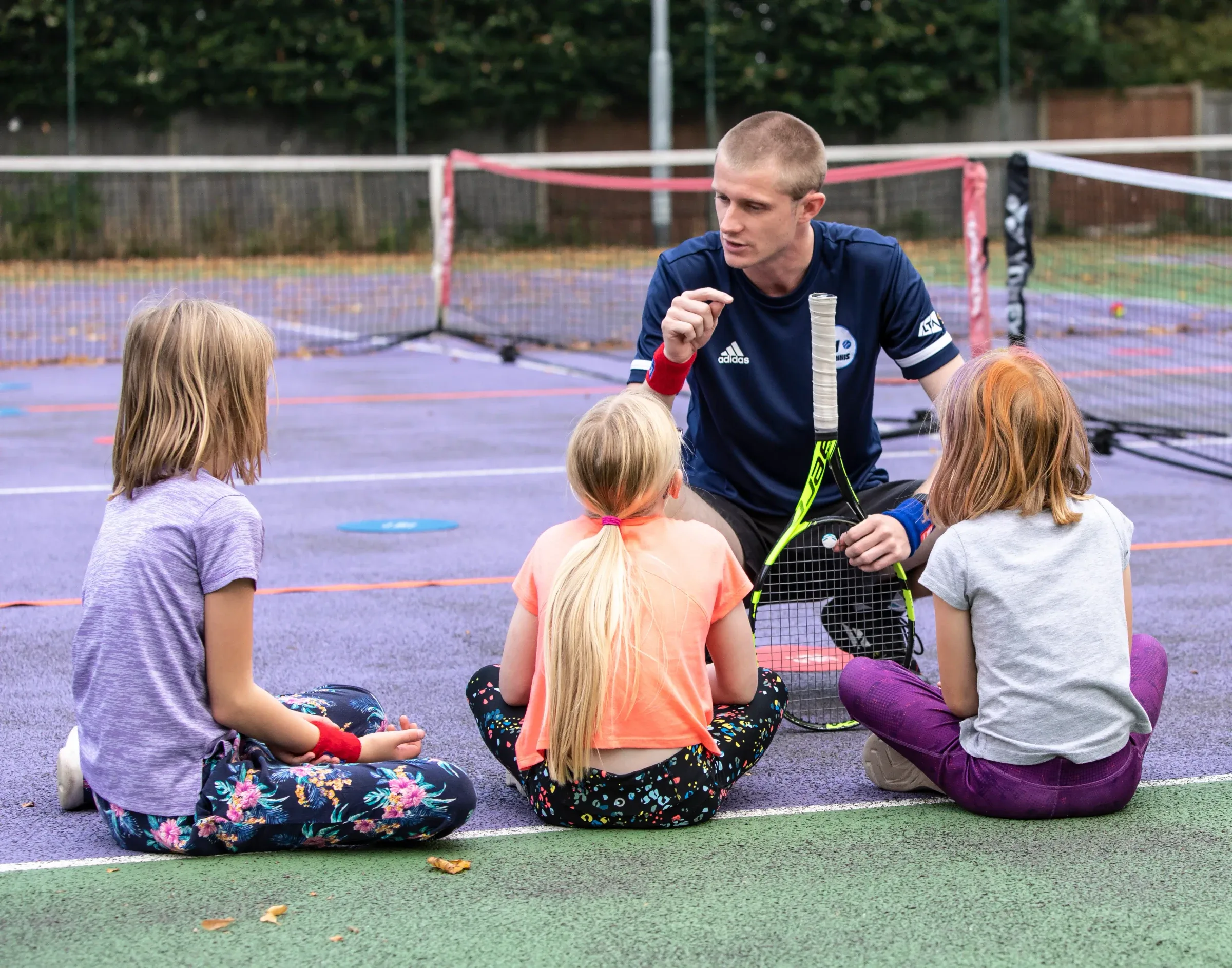
Playing against a range of children is also important. One opponent may hit hard, while another may keep the ball in play. Some players may come to the net, while others prefer to stay at the back of the court. Facing different styles helps juniors become more adaptable and improves their problem-solving skills.
For coaches, match play provides useful feedback too. It shows which skills are becoming reliable and which areas need more attention during future coaching sessions.
Learning to win and lose graciously
Winning is exciting, and children should be allowed to enjoy it. A good win can provide motivation and show the benefits of effort and preparation.
At the same time, losing is a normal part of tennis. Even the best players in the world lose matches. Junior competitions give children the chance to learn how to respond to both outcomes.
Young players can learn to:
- Congratulate their opponent
- Accept the result respectfully
- Avoid making excuses
- Be proud of their effort
- Think about what they can improve
- Celebrate progress
These are important life skills as well as sporting values. Learning to win with humility and lose with grace helps children become respectful teammates, opponents and friends.
Parents can support this by asking questions about the experience rather than focusing only on the result. “What did you enjoy?” or “What did you learn?” can be more helpful than asking, “Did you win?”
Competitions create friendships and community
Tennis can sometimes look like an individual sport, but junior competition has a very social side. Children meet other players who share their interest and often see the same faces at coaching sessions, events and holiday activities.
These connections can lead to lasting friendships. Players encourage one another, share experiences and learn that they are part of something bigger than an individual lesson.

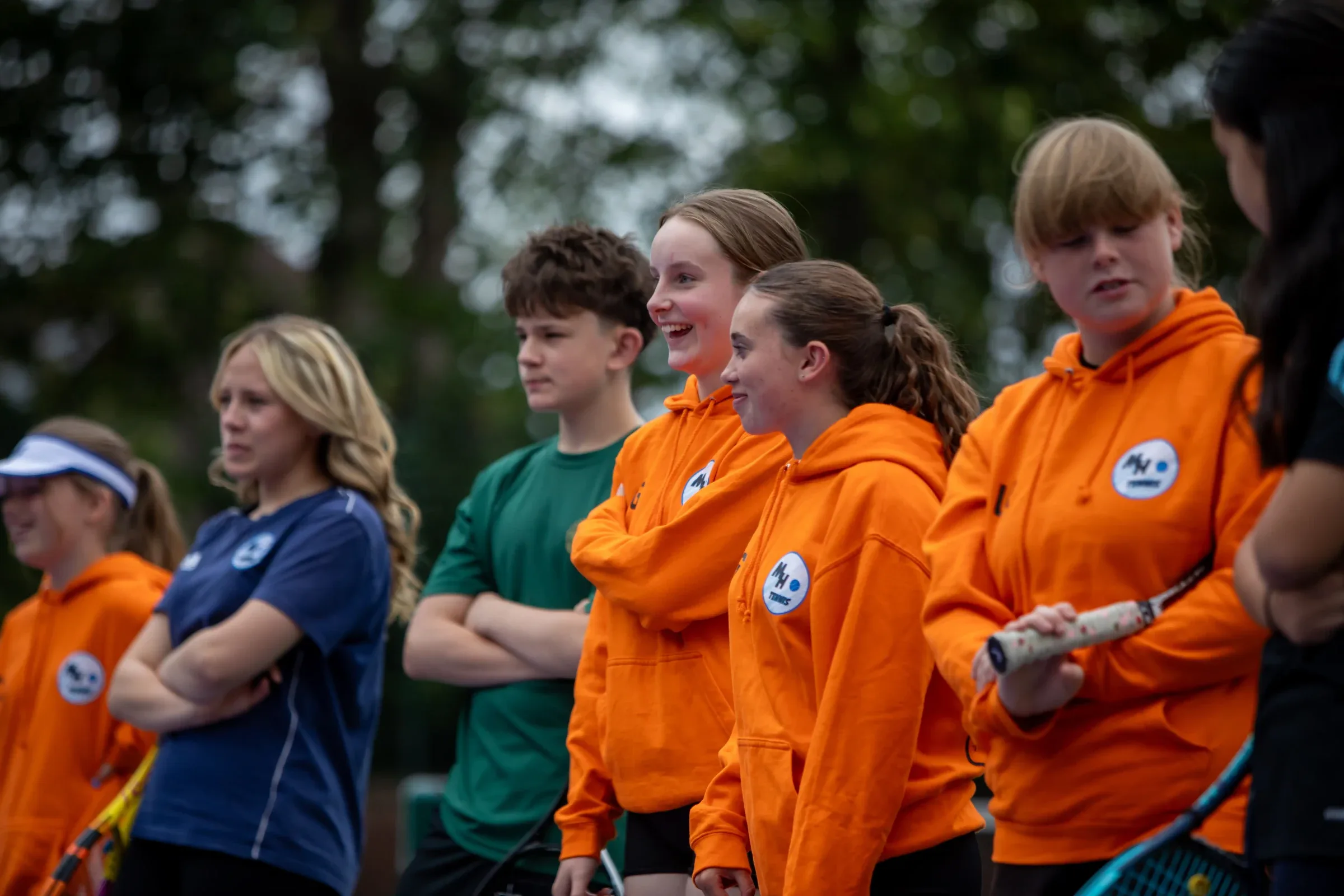
Team competitions and group match days can be especially useful. They give children the excitement of competing while also allowing them to support others. A player may be competing in their own match but still feel part of a team.
This sense of belonging is a key part of helping children stay involved in sport as they grow older. When young people associate tennis with friendship, laughter and positive memories, they are more likely to continue playing.
Competition should be age-appropriate
The best junior competitions are designed around the age, experience and confidence of the players. Young children do not need to play long matches on a full-size court to enjoy competition.
Modified courts, softer balls, shorter matches and simple scoring systems can make the experience more accessible. These formats help children experience success while gradually learning the rules and routines of match play.
A first competition might be as simple as a games-based activity or a short round-robin event. The focus should be on participation, effort and enjoyment. As children become more comfortable, they can progress towards longer matches and more formal events.
The LTA’s junior competition information explains that there are opportunities for different ages, abilities and experience levels. The LTA also provides guidance for families who want to start competing.
At MH Tennis, we aim to make competition feel welcoming rather than frightening. Our friendly events and matches form part of junior development, giving players the chance to test their skills in a supportive environment.
Supporting girls to stay involved in sport
Competition is also an important part of keeping girls involved in sport as they get older. The MH Tennis Get Set Girl project focuses on helping girls aged 11 to 16 stay active and connected to sport as they transition through secondary school.
This stage of life can bring changes in confidence, friendships, school routines and interests. A welcoming tennis environment can give girls a regular activity, a supportive group and the opportunity to keep developing their skills.
MH Tennis also participated in the Prime Video LTA Youth Girls initiative, an LTA programme designed to help get more girls into tennis. The programme uses fun, accessible activities to build confidence, skills and friendships, helping girls see tennis as a sport where they belong.
Our wider approach is simple: tennis should be open to everyone, and competition should support young people rather than make them feel judged.


MH Tennis is an LTA Youth Recognised Venue and uses the LTA Youth curriculum to support junior development.
LTA Youth Compete offers a friendly first step into matches
For children who are new to competition, LTA Youth Compete helps make match play feel fun, welcoming and manageable. One of the most helpful entry points is the Tennis Festival format, which is designed especially for younger and newer players.
Rather than competing on their own, children join a team. That team format helps take away some of the pressure, making competition feel more sociable, supportive and less intimidating. Players can enjoy being part of something together while still getting used to points, matches and simple scoring.
Tennis Festivals are a great first step into match play because the focus is on involvement, enjoyment and gaining experience in a friendly, low-pressure setting. For many children, this can be a positive way to build confidence before moving on to other events. Families can learn more through the LTA Youth competition pathway.
Finding the right tennis environment
For a complete beginner or a child who already loves matches, the right coaching environment makes a big difference.
If you are searching for tennis coaching near me, look for a programme that offers:
- Qualified and supportive coaches
- Sessions suitable for your child’s age and ability
- A balance of skills, games and match play
- Encouragement rather than pressure
- Opportunities to meet other young players
- Clear progression as confidence grows
MH Tennis provides coaching for children aged three and over across South Birmingham, including group sessions, individual lessons, competitions and holiday camps. Our aim is to help every child develop as a player while also building confidence, friendships and positive memories.
For families looking for Birmingham tennis activities, you can explore MH Tennis coaching, learn more about youth coaching, or view upcoming events and competitions.
Competition is about more than winning
Junior tennis competitions offer much more than medals and results. They help children become more resilient, confident and independent. They teach players how to handle pressure, respect others and respond positively when things do not go according to plan.
Most importantly, competition can make tennis more enjoyable. It gives children a reason to practise, something to look forward to and a chance to share the sport with friends.
With the right support, playing matches from a young age can help children develop a lifelong love of tennis, whether they dream of representing their county or want to enjoy being active with friends.
The goal is not to create pressure. It is to help every young player discover that competition can be exciting, friendly and full of opportunities to grow.